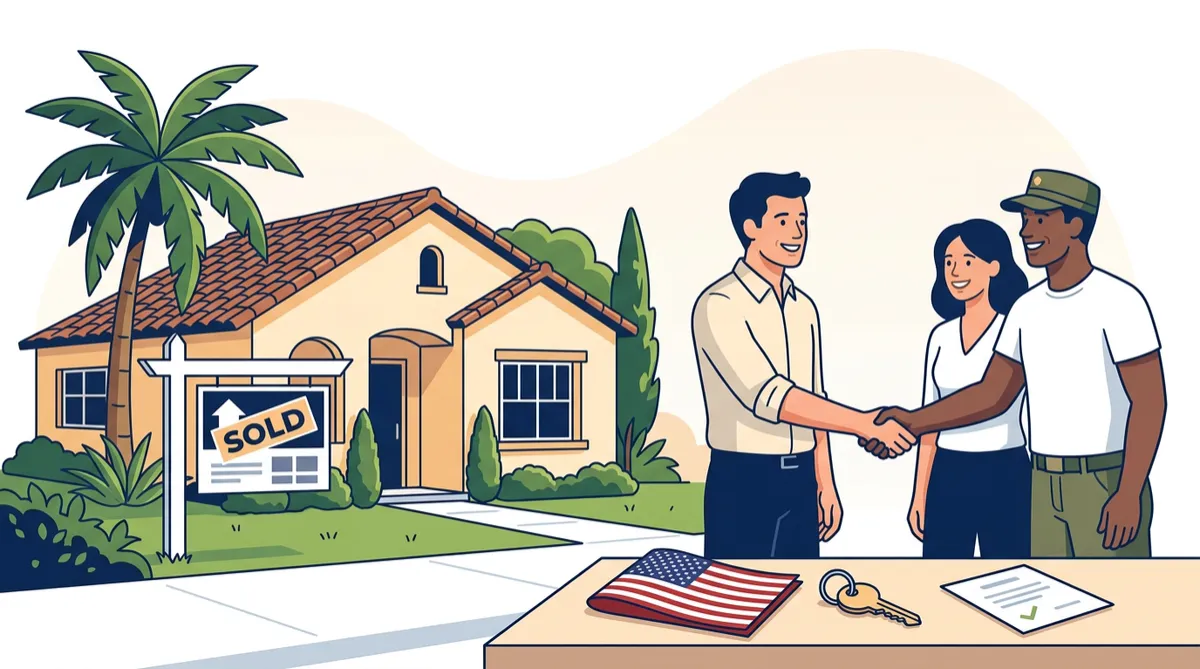
Why Do Some Sellers Avoid VA Loans? The Myths, the Facts, and How to Win the Offer
If you have ever listed a home in California, you may have heard a seller say, "Let's skip the VA offers." It is a surprisingly common reaction, and it is also one of the most misunderstood pieces of advice in real estate. The VA loan is one of the strongest benefits available to veterans and active-duty service members, yet some sellers still treat it as a red flag.
So why does it happen? And more importantly, what can buyers, agents, and sellers do about it? Let's break it down in plain English.
The Short Answer: Perception, Not Performance
Most seller hesitation about VA financing comes from stories, not statistics. A friend of a friend had a VA deal fall apart years ago, or an agent once warned that VA appraisals are "picky." Those stories stick, even when the rules have evolved. In reality, a VA loan is a fully underwritten mortgage backed by a government guarantee, and veterans who use it are often very well qualified buyers.
Here are the most common reasons sellers push back, along with what is actually going on.
Concern #1: "The VA Appraisal Is Too Strict"
This is the big one. VA appraisals include Minimum Property Requirements (MPRs), which are basic standards meant to make sure the home is safe, sanitary, and structurally sound. Think working utilities, a sound roof, no peeling paint on older homes, and adequate access to the property.
Sellers worry that these requirements will force expensive repairs. In practice, the issues that come up are usually the same things any careful buyer would want fixed anyway. A leaking roof or exposed wiring is going to surface in a conventional inspection too. The difference is that the VA process puts those items in writing early, which can actually save everyone from surprises later.
Fact check: A well-maintained home rarely has trouble meeting VA standards. If something does come up, repairs can often be negotiated, and in many cases the buyer can still proceed after issues are resolved.
Concern #2: "VA Deals Take Longer to Close"
Years ago, VA loans had a reputation for slower closings. Today, the timeline is much closer to other loan types when the buyer works with an experienced VA lender. Appraisal turn times can vary by market and season, but a prepared lender, a complete file, and responsive agents keep things moving.
In a busy California market, speed matters. That is why a pre-approval from a lender who knows VA loans inside and out is a real competitive advantage, not just a formality.
Concern #3: "The Seller Has to Pay Extra Fees"
There is a grain of truth here, but it is often exaggerated. VA rules limit which closing costs a veteran buyer is allowed to pay, so certain fees may need to be covered by someone else. That can be negotiated, and it is not unique to VA financing. Many conventional and FHA deals also involve seller credits or concessions.
Importantly, sellers are never required to pay anything just because the buyer is using a VA loan. Whatever is paid is part of the negotiated purchase contract. Sellers can also compare net proceeds between offers, which often tells a very different story than the headline price alone.
Concern #4: "There's a Hidden Termite or Repair Requirement"
In California, a termite or pest inspection is common practice in many transactions no matter which loan is used. If a report calls for corrective work, the parties negotiate who handles it, just as they would in any other sale. A VA loan does not suddenly create an unusual burden here. It simply follows the local customs and the contract that both sides sign.
Concern #5: "Veterans Have No Skin in the Game"
Because many VA buyers use the no-down-payment option, some sellers assume the buyer is financially weaker. That is not how underwriting works. VA lenders still verify income, credit, assets, and debt-to-income ratios, and the buyer still needs to qualify for the loan. Many veterans bring stable employment, solid credit, and strong reserves to the table.
No down payment does not mean no qualification. It means the buyer has chosen to keep cash available for moving costs, repairs, and emergencies, which is a smart financial move.
The Real Cost of Saying No to VA Buyers
Here is the part many sellers overlook: turning away VA offers shrinks the pool of qualified buyers. California has a large military and veteran population, from the San Diego coast to the Central Valley to the Inland Empire. Ruling out that group can mean fewer showings, fewer offers, and less competition for your home.
When you are trying to sell at the best price and on a good timeline, every qualified buyer you exclude is one less chance for a strong offer. A confident seller looks at the whole offer, including price, terms, timeline, and the strength of the lender, rather than the loan label.
How VA Buyers Can Make Their Offer Stand Out
If you are a veteran shopping in California, you can ease seller concerns before they even surface. A few practical steps:
- Get fully underwritten pre-approval. A strong, verified pre-approval signals that your financing is solid.
- Work with a VA-experienced lender. A lender who closes VA loans regularly will know how to keep the process smooth and on schedule.
- Choose an agent who understands VA deals. They can present your offer clearly and address concerns directly.
- Offer clean, flexible terms. A reasonable closing timeline and a well-structured offer help your case.
- Consider an earnest money deposit that shows commitment. It reinforces that you are serious.
- Include a lender letter. A short note explaining the strength of your file and the VA process can calm nerves fast.
Tips for Real Estate Professionals
Agents play a huge role in shifting the conversation. If you represent a seller, help them understand the numbers rather than the rumors. Walk through net proceeds on each offer, explain the appraisal process, and point out that a well-prepared home usually passes without trouble. A little pre-listing inspection can go a long way, too, since it lets you fix issues before an appraiser or buyer ever sees them.
If you represent a VA buyer, be proactive. Call the listing agent, introduce the lender, and share what makes the file strong. Respectful communication builds trust, and trust wins offers.
The Bottom Line
Sellers avoid VA loans mostly because of outdated assumptions about appraisals, timelines, and costs. The truth is that a VA-financed buyer who is well prepared can be just as strong as any other buyer, and sometimes stronger. With the right lender, a clear offer, and good communication, VA deals close every day across California.
The next time someone tells you to skip the VA offer, ask a better question: "What does the whole offer actually look like?" You might be surprised by the answer.
Have Questions About VA Financing?
Whether you are a veteran ready to buy, a seller weighing offers, or an agent who wants to feel confident about VA deals, Kurt Kessler is happy to talk it through. Reach out to start a friendly, no-pressure conversation about your options.
This article is for general information only and is not financial, legal, or tax advice. Loan programs, guidelines, and eligibility can change, so please consult a licensed mortgage professional about your situation.