
What Will Cause a Home to Fail an FHA Appraisal?
FHA Loans, FHA Appraisal, California Home Buying
What Will Cause a Home to Fail an FHA Appraisal?
If you’re buying or selling a home in California with a California FHA loan, the words “FHA appraisal” can feel a little intimidating. Once you understand what can cause a home to fail an FHA appraisal, you can plan ahead, fix issues early, and keep your Danville or greater Bay Area transaction moving smoothly.
FHA Minimum Property Standards: Safe, Sound, and Secure
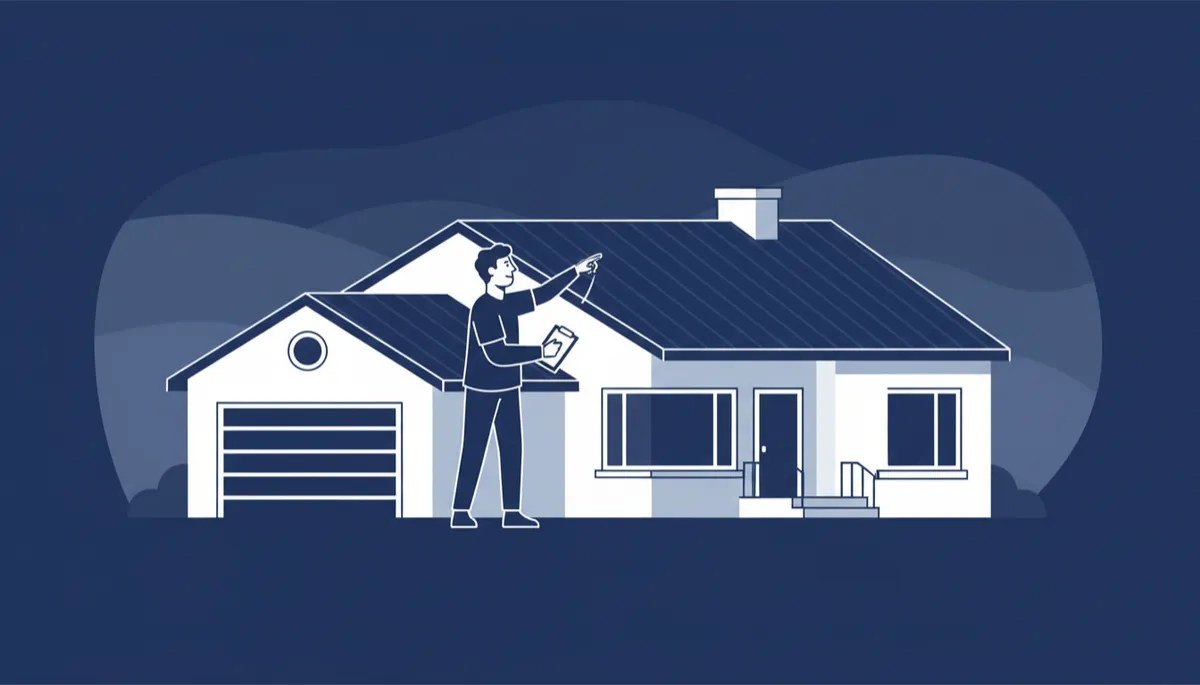
FHA appraisals are different from conventional appraisals because they don’t just look at value—they also check that the property meets FHA minimum property standards. HUD’s Handbook 4000.1 requires that homes be safe, sound, and secure for the buyer and for the FHA, which is insuring the loan.
In practice, the appraiser looks for obvious health and safety issues, structural problems, and anything that could threaten the property’s livability. If problems are found, they’re usually listed as “subject to repair” conditions that must be fixed before the California FHA loan can close.
Peeling or Chipping Paint on Pre‑1978 Homes (Lead-Based Paint)
One of the fastest ways to fail an FHA appraisal is peeling or chipping paint on homes built before 1978. Because of the risk of lead-based paint, appraisers pay close attention to windows, trim, railings, and exterior siding—especially on older California homes, like 1950s ranch properties in Contra Costa County.
FHA typically requires that deteriorated paint be properly scraped, contained, and repainted. Simple touch-up work done before the appraiser arrives can prevent a repair condition and avoid days of delay for buyers, sellers, and agents.
Roof Condition and Remaining Life
Roof issues are another common reason a home might fail an FHA appraisal. Appraisers must confirm the roof is free of active leaks and appears to have an acceptable remaining life. Missing shingles, sagging areas, or obvious water intrusion in the attic or ceilings will raise red flags.
In California, sun and heat can age roofs quickly. If the roof is clearly at the end of its life, the appraiser may call for repair or replacement. A recent roof inspection report can help everyone understand what’s truly needed and avoid surprises during the FHA appraisal process.
Foundation, Structural, and Drainage Concerns
FHA appraisers are not structural engineers, but they are trained to spot obvious structural issues. Large foundation cracks, significant settlement, sloping floors, or separated patios and steps can all trigger concerns about the home’s soundness. In hillside areas or older California properties, drainage problems may show up as water intrusion, staining, or soil movement against the foundation.
If the appraiser sees something serious, they may require a professional structural or foundation report and repairs before the loan can close. Making sure gutters, downspouts, and grading direct water away from the home is a simple step that can improve both drainage and the appraiser’s impression of the property’s condition.
Handrails, Electrical Hazards, and Other Safety Items
FHA minimum property standards place a big emphasis on basic safety. Missing handrails on interior or exterior stairs can cause problems, especially where a fall could lead to injury. Installing a sturdy handrail is an easy fix that can keep an FHA appraisal from being conditioned for repair.
Likewise, exposed wiring, open junction boxes, or clearly unsafe electrical panels are major issues. Appraisers look for working light fixtures, intact cover plates, and no obvious shock or fire hazards. If the electrical system appears outdated or unsafe, the appraiser may call for evaluation and repair by a licensed electrician before the California FHA loan can be approved.
Heating, Plumbing, and Water Heater Requirements in California
FHA requires a permanent, functional heating system that can keep the home livable during the colder months. Space heaters alone won’t cut it. If the furnace doesn’t work, the appraiser will condition the appraisal on repair or replacement. The same goes for plumbing: toilets, sinks, and showers must operate properly, with no major leaks or unsanitary conditions.
In California, there’s an extra detail that shows up often: water heater strapping. State code requires water heaters to be properly strapped and braced for earthquakes. An FHA appraiser in Danville or anywhere in the state will typically note if the water heater is not double-strapped to the wall. Correct strapping is a quick, inexpensive fix that can prevent a repair condition from delaying closing.
Utilities, Appliances, Pests, and Wood Rot
For an FHA appraisal, all utilities must be on and functioning at the time of inspection—water, gas, and electricity. If the appraiser can’t test systems because power or water is off, they may have to come back, which means extra time and cost. Built-in appliances that are considered part of the property (like a built-in oven or cooktop) should also be in working order or clearly noted as non-functional.
Termites and other wood-destroying pests are a big concern in many parts of California. Active infestation, significant wood rot, or damaged structural members can all cause an FHA appraisal to be conditioned on repairs and pest treatment. A recent Section 1 pest report and clearance can be very reassuring for both the appraiser and the underwriter on an FHA appraisal file.
Safe Access, Crawl Spaces, Pools, Wells, and Septic Systems
FHA requires safe and adequate access to the property and to essential areas like crawl spaces and attics. If the crawl space is blocked, flooded, or clearly inaccessible, the appraiser may call for it to be cleared or evaluated. Standing water, mold, or damaged supports in a crawl space can quickly become an FHA issue.
In California, many homes also have pools, private wells, or septic systems. Pools must be safely fenced or covered per local code, with no obvious hazards or major damage. Wells and septic systems should appear sanitary and functional; if there are signs of contamination or failure, the lender may require additional inspections and repairs as part of meeting FHA minimum property standards for a California FHA loan.
California Requirements: Smoke and Carbon Monoxide Detectors
California law requires properly installed smoke detectors and carbon monoxide detectors in most residential properties. While this is technically a state code issue, FHA appraisers in California almost always look for these devices because they directly relate to health and safety. Missing detectors are simple to correct but can absolutely cause an FHA appraisal to be conditioned for repair if they’re not in place when the appraiser visits.
How FHA Repairs Are Handled: Requests, Holdbacks, and Re‑Inspections
When an FHA appraiser notes issues, they usually mark the appraisal as “subject to” those repairs being completed. From there, the buyer, seller, and agents negotiate who will handle and pay for the work. Once repairs are done, the appraiser may need to perform a re‑inspection to confirm everything is complete and then update the FHA appraisal accordingly.
In some cases—especially for minor exterior items—lenders can use an escrow holdback, where funds are set aside at closing and repairs are completed shortly after. Not every lender or situation allows this, so it’s important to talk with an experienced FHA mortgage professional early if you think a holdback might be needed in your California transaction.
Tips for California Buyers, Sellers, and Real Estate Agents
For buyers, remember that an FHA appraisal is not a full home inspection. It’s focused on value and basic FHA minimum property standards. You should still order your own home inspection to understand the property in detail, beyond what’s required to avoid a fail FHA appraisal outcome.
For sellers, a quick pre‑listing walk‑through with your agent—looking for peeling paint, missing detectors, loose handrails, obvious leaks, or damaged roofs—can help you tackle small items before the FHA appraiser ever shows up. This is especially valuable if you know your likely buyer will be using a California FHA loan.
For agents, setting expectations is key. Explain that the FHA appraisal adds a property condition layer on top of value. Coordinate access so utilities are on, pets are secured, and the appraiser can easily reach the attic, crawl space, and garage. A little preparation goes a long way toward avoiding delays or a failed FHA appraisal.
Have Questions About FHA Appraisals in California?
Understanding what can cause a home to fail an FHA appraisal helps everyone—buyers, sellers, and real estate professionals—plan ahead and keep transactions on track. If you’re considering an FHA appraisal on a home in Danville or anywhere in California, it pays to work with a mortgage expert who lives and breathes these guidelines every day.
To talk through your options for a California FHA loan, get clarity on FHA minimum property standards, or simply ask whether a particular property is likely to pass an FHA appraisal, reach out to Kurt Kessler, Danville mortgage broker (NMLS #365130). Kurt is happy to walk you through the details, review your scenario, and help you move toward homeownership with confidence.
Meta Title: What Will Cause a Home to Fail an FHA Appraisal? | Kurt Kessler, California FHA Loan Expert
Meta Description: Learn what can cause a home to fail an FHA appraisal in California, from peeling paint and roof issues to safety items and water heater strapping. Friendly guide for buyers, sellers, and agents from Danville mortgage broker Kurt Kessler (NMLS #365130).