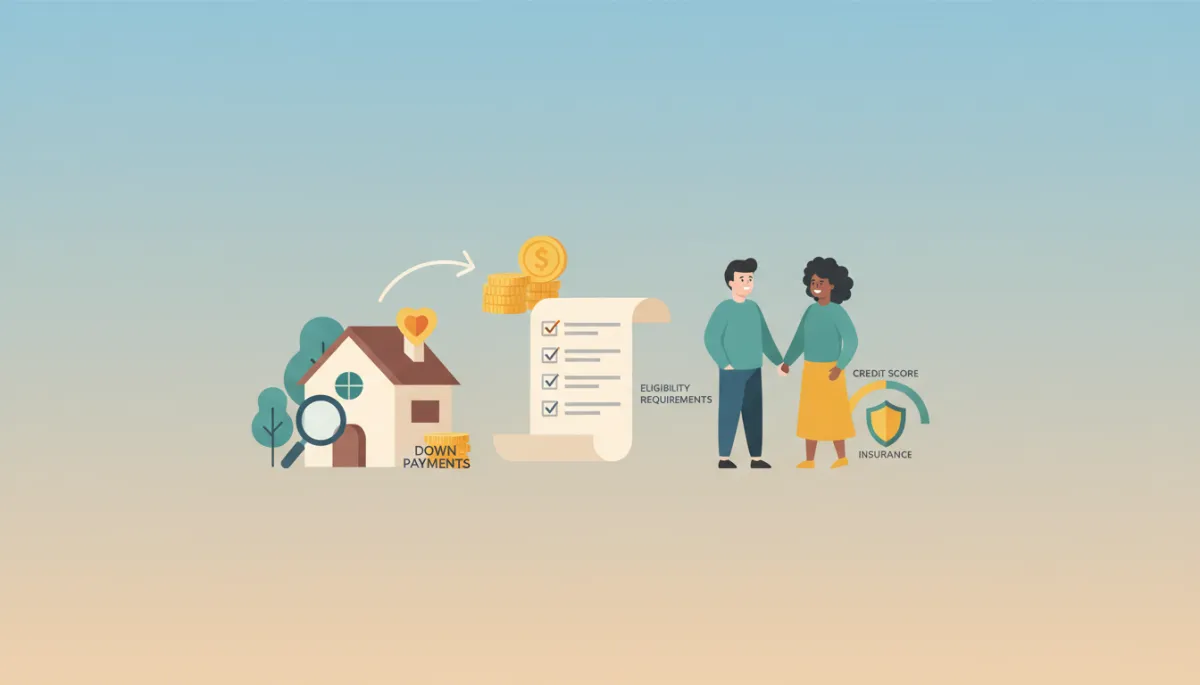
FHA Loans Guide: Home Buying Made Easy
Mortgage Blog, FHA Loans, Home Financing
FHA Loans Explained: A Friendly Guide for Today’s Home Buyers and Homeowners
If you’ve been exploring mortgage options, you’ve probably come across FHA loans. They’re often mentioned as “first‑time buyer friendly,” but they can help many different types of buyers and homeowners. In this guide for Kurt Kessler’s Mortgage Blog, we’ll walk through what FHA loans are, how they work, and whether they might be a good fit for you.
What Is an FHA Loan?
An FHA loan is a home loan that’s insured by the Federal Housing Administration, a government agency. The key word here is insured. The FHA doesn’t lend you money directly; instead, it provides insurance to approved lenders. That insurance protects the lender if a borrower defaults on the loan, which makes lenders more comfortable offering mortgages to people who might not qualify for conventional financing.
Because of that government backing, FHA loans typically offer more flexible guidelines than many conventional loans. That can mean lower minimum credit scores, smaller down payments, and more forgiving rules around past credit challenges. For buyers who feel “almost there” but not quite ready for a traditional mortgage, FHA can be a helpful bridge to homeownership.
Basic FHA Loan Eligibility Requirements
While FHA loans are known for being flexible, there are still some clear eligibility rules. Here are the big ones most buyers and homeowners should know about:
Owner‑occupied only: The home must be your primary residence. FHA loans are not designed for vacation homes or pure investment properties, though you can buy a 2–4 unit property and live in one unit yourself.
Verifiable income: Lenders will look for steady, documentable income. This can come from a salary, hourly job, self‑ employment, or other sources, as long as it can be reasonably verified and is likely to continue.
Reasonable debt levels: Your total monthly payments (including the new mortgage, car loans, student loans, and credit cards) should fit within FHA’s debt‑to‑income ratio guidelines. These are often more generous than conventional standards, but there is still a limit to how much debt you can comfortably carry.
Property standards: The home itself must meet FHA property requirements. An FHA appraisal checks not just value, but also basic safety and livability—think functioning utilities, no major structural issues, and no severe health or safety hazards.
If you’re unsure whether you meet these requirements, a conversation with a knowledgeable loan officer can quickly clarify where you stand and what steps might make you a stronger applicant.
Credit Score and Down Payment Minimums for FHA Loans
One of the biggest reasons buyers look at FHA financing is the combination of flexible credit standards and low down payment options. Here’s how those typically break down:
580 and above: With a credit score of 580 or higher, you may qualify for the minimum FHA down payment of 3.5% of the purchase price. For many buyers, that’s far more manageable than the 10%–20% often associated with conventional loans.
500–579: FHA technically allows scores in this range, but you’ll usually need a larger down payment—at least 10%. Not all lenders will go this low, so options can be more limited, but it can still open doors for buyers rebuilding credit.
Keep in mind that individual lenders can set their own “overlays,” or stricter rules, on top of FHA minimums. So while FHA might allow a 580 score, a particular lender might prefer 600 or 620. Shopping around and working with a local expert like Kurt can help you find the right fit for your situation.
FHA Loan Limits: How Much Can You Borrow?
FHA doesn’t offer unlimited borrowing. Each year, the agency sets loan limits based on local housing costs. These limits vary by county and by the number of units in the property (for example, a single‑family home versus a four‑unit building).
In areas with average home prices, the FHA limit is lower. In higher‑cost markets, the limit increases to reflect local reality. If you’re shopping in a pricier neighborhood, it’s especially important to check your county’s current FHA limit so you know whether an FHA loan can fully cover the price range you’re targeting.
A quick conversation with your lender or a visit to the HUD website can confirm the exact limit in your area. Knowing this early can help you set realistic expectations and narrow your home search to properties that fit both your budget and your chosen loan program.
Understanding FHA Mortgage Insurance (MIP)
FHA loans come with a unique cost that’s important to understand: mortgage insurance premiums, often called MIP. This is different from homeowners insurance. Instead of protecting you, MIP protects the lender and the FHA in case you default on your loan. In exchange, you get access to more flexible approval standards.
FHA mortgage insurance has two main parts:
Upfront Mortgage Insurance Premium (UFMIP): This is a one‑time fee, usually a small percentage of the loan amount, that’s typically rolled into your loan rather than paid out of pocket at closing. You’ll see it listed on your loan estimate and closing disclosure.
Annual Mortgage Insurance Premium: This is an ongoing cost, paid monthly as part of your mortgage payment. The exact amount depends on your loan size, down payment, and term length.
For many borrowers, the trade‑off is worth it: paying MIP in exchange for being able to buy a home sooner, with a smaller down payment and more flexible credit requirements. Later on, some homeowners choose to refinance into a conventional loan to remove mortgage insurance once their credit, income, and home equity have improved.
Pros and Cons of FHA Loans
Like any loan program, FHA financing has both advantages and drawbacks. A clear look at both sides can help you decide whether it aligns with your goals.
Advantages of FHA Loans
Lower down payment: The 3.5% minimum down payment for many borrowers makes homeownership more accessible, especially if you’re still building savings.
Flexible credit standards: Past credit challenges or a limited credit history don’t automatically disqualify you. FHA is often more forgiving than conventional options.
Assumable loans: FHA loans can be assumable, meaning a qualified buyer could take over your existing FHA mortgage in the future. In a higher‑rate environment, this can be a valuable selling point.
Disadvantages of FHA Loans
Ongoing mortgage insurance: Unlike some conventional loans where private mortgage insurance can drop off once you reach enough equity, FHA mortgage insurance often stays for the life of the loan, depending on your down payment and loan term.
Property standards: FHA’s safety and livability requirements protect you, but they can also make it harder to buy homes that need major repairs or are being sold “as‑is.”
Loan limits: In higher‑priced markets, the FHA loan limit may not fully cover the type of property you want, pushing you toward a conventional jumbo loan instead.
Who Is an FHA Loan Best Suited For?
FHA loans are often associated with first‑time home buyers, and they do serve that group very well. But they’re also a great fit for a wider range of people. You might benefit from an FHA loan if you:
Have limited savings for a down payment but strong, stable income and a manageable level of debt.
Are rebuilding credit after past financial bumps and want a program that takes a more flexible view of your history.
Are purchasing a modestly priced home within local FHA loan limits and plan to live in it as your primary residence.
Own a home with an existing FHA loan and want to explore FHA streamline refinancing to lower your rate with less paperwork.
If you have excellent credit, a larger down payment saved, and are buying a higher‑priced home, a conventional loan may ultimately be more cost‑ effective. But if you’re focused on getting into a comfortable, affordable home sooner rather than later, FHA can be a powerful tool to help you get there.
Final Thoughts: Is an FHA Loan Right for You?
FHA loans were created to make homeownership more accessible, and they still serve that purpose today. By offering lower down payment options, flexible credit guidelines, and government‑backed security for lenders, they open doors for buyers and homeowners who might otherwise be left on the sidelines.
The best way to know if an FHA loan is right for you is to look at your full financial picture—income, savings, credit history, and long‑term plans—and compare FHA with conventional and other loan options. A friendly, experienced mortgage professional can walk you through real‑world numbers, explain the impact of mortgage insurance, and help you see which path lines up with your goals.
Whether you’re buying your first home, moving up, or exploring a refinance, understanding FHA loans gives you one more tool in your mortgage toolbox. With the right guidance, you can choose the loan type that supports your budget today and your dreams for tomorrow.